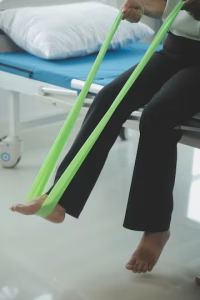
Hip and knee pain can significantly impact your quality of life, making everyday activities a challenge. Whether you’re an athlete recovering from an injury or someone dealing with chronic joint discomfort, physiotherapy offers a powerful solution for pain relief and improved mobility. In this comprehensive guide, we’ll explore how physiotherapy can effectively alleviate hip and knee pain, providing you with practical insights and expert techniques to regain your freedom of movement.
Understanding Hip and Knee Pain
Before diving into the benefits of physiotherapy, it’s crucial to understand the common causes of hip and knee pain. These joints are integral to our mobility, supporting our body weight and facilitating movement in various directions. Pain in these areas can stem from a variety of factors:
- Osteoarthritis
- Sports injuries
- Overuse or repetitive strain
- Poor posture or alignment
- Muscle imbalances or weakness
- Bursitis or tendinitis
Regardless of the cause, physiotherapy offers a non-invasive, drug-free approach to managing and alleviating pain in these crucial joints.
The Role of Physiotherapy in Pain Management
Physiotherapy plays a vital role in addressing hip and knee pain by focusing on improving joint function, strengthening supporting muscles, and enhancing overall mobility. Here’s how physiotherapy can make a significant difference:
1. Comprehensive Assessment
The journey to pain relief begins with a thorough assessment by a qualified physiotherapist. This evaluation includes:
- Physical examination of the affected joints
- Analysis of your gait and movement patterns
- Review of your medical history and lifestyle factors
- Identification of muscle imbalances or weaknesses
This detailed assessment allows the physiotherapist to develop a tailored treatment plan that addresses your specific needs and goals.
2. Customized Exercise Programs
One of the cornerstones of physiotherapy for hip and knee pain is a personalized exercise regimen. These exercises are designed to:
- Strengthen muscles supporting the hip and knee joints
- Improve flexibility and range of motion
- Enhance stability and balance
- Correct movement patterns that may be contributing to pain
Your physiotherapist will guide you through exercises such as:
- Hip flexion, extension, and abduction exercises
- Mini-squats and step exercises
- Hamstring curls and leg lifts
- Knee lifts and rotations
These exercises are carefully selected and progressed to ensure they are both effective and safe for your condition.
3. Manual Therapy Techniques
Hands-on treatment is a crucial component of physiotherapy for hip and knee pain. Manual therapy techniques can include:
- Soft tissue mobilization
- Joint mobilization
- Myofascial release
- Trigger point therapy
These techniques help to reduce pain, improve joint mobility, and release tension in the surrounding muscles and tissues.
4. Pain Relief Modalities
Physiotherapists have access to various modalities that can provide immediate pain relief and promote healing:
- Therapeutic ultrasound
- Electrical stimulation
- Cryotherapy (cold therapy)
- Heat therapy
These treatments can help reduce inflammation, improve circulation, and alleviate pain, allowing for more effective exercise and movement.
5. Education and Self-Management Strategies
A crucial aspect of physiotherapy is empowering patients with knowledge and tools for long-term pain management. Your physiotherapist will provide:
- Education on proper body mechanics and posture
- Guidance on activity modification to prevent further injury
- Advice on appropriate footwear and orthotics if necessary
- Strategies for managing pain flare-ups at home
This education helps you take an active role in your recovery and maintain the benefits of treatment long after your physiotherapy sessions have ended.
The Benefits of Physiotherapy for Hip and Knee Pain
Choosing physiotherapy for hip and knee pain offers numerous advantages:
Non-Invasive Treatment
Physiotherapy provides a non-surgical approach to pain management, which is particularly beneficial for those looking to avoid or delay joint replacement surgery.
Personalized Care
Each treatment plan is tailored to the individual’s specific condition, lifestyle, and goals, ensuring the most effective approach to pain relief and functional improvement.
Holistic Approach
Physiotherapy addresses not just the symptoms but also the underlying causes of hip and knee pain, promoting overall joint health and preventing future issues.
Improved Quality of Life
By reducing pain and enhancing mobility, physiotherapy can significantly improve your ability to perform daily activities and engage in recreational pursuits.
Long-Term Results
The focus on education and self-management strategies empowers patients to maintain their progress and prevent recurrence of pain.
Maximizing the Benefits of Physiotherapy
To get the most out of your physiotherapy treatment for hip and knee pain:
- Consistency is Key: Attend all scheduled appointments and follow your home exercise program diligently.
- Communicate Openly: Keep your physiotherapist informed about any changes in your pain levels or response to treatment.
- Stay Active: Engage in low-impact activities like swimming or cycling to maintain overall fitness without putting undue stress on your joints.
- Mind Your Diet: A healthy diet can help manage inflammation and maintain a healthy weight, reducing stress on your hips and knees.
- Be Patient: Healing takes time. Trust the process and stay committed to your treatment plan for the best long-term results.
When to Seek Physiotherapy for Hip and Knee Pain
It’s advisable to consult a physiotherapist if you experience:
- Persistent pain that doesn’t improve with rest
- Difficulty performing everyday activities due to joint pain
- Decreased range of motion in your hips or knees
- Pain that worsens with activity or at night
- Recent injury to your hip or knee
Early intervention can prevent chronic issues and lead to faster recovery.
Embracing a Pain-Free Future
Physiotherapy offers a powerful, evidence-based approach to alleviating hip and knee pain. By addressing the root causes of your discomfort and providing you with the tools to manage your condition, physiotherapy can help you regain your mobility and enjoy a pain-free, active lifestyle.
Remember, every journey to recovery is unique. With the guidance of a skilled physiotherapist and your commitment to the treatment plan, you can overcome hip and knee pain and return to the activities you love. Don’t let joint pain hold you back – take the first step towards relief by scheduling a consultation with a physiotherapist today.
By incorporating these physiotherapy techniques and strategies into your life, you’re not just treating your current pain – you’re investing in your long-term joint health and overall well-being. Embrace the power of physiotherapy and look forward to a future of improved mobility, reduced pain, and enhanced quality of life.