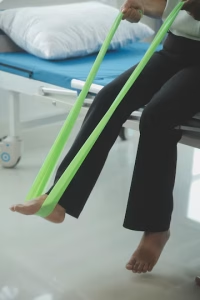
Physiotherapy Is Your First Step Toward Lasting Recovery
Physiotherapy, also called physical therapy, is a specialized healthcare field that focuses on restoring and enhancing physical function, movement, and overall well-being. It is widely used across British Columbia to treat a broad range of conditions, from sports injuries and post-surgical recovery to chronic pain management and neurological rehabilitation.
The question “Which type of physiotherapy is best?” cannot be answered with a single universal choice, because the right option depends on a person’s unique health condition, goals, and preferences. Some may benefit most from hands-on orthopedic therapy, while others may need aquatic therapy to reduce joint stress or neurological physiotherapy to retrain motor skills.
The purpose of this guide is to outline the major types of physiotherapy, describe their applications in detail, and help you identify which approach may be most effective for you.
Understanding Physiotherapy and Its Importance
What Is Physiotherapy?
Physiotherapy is a patient-focused treatment method that uses evidence-based techniques such as exercise therapy, manual therapy, and physical modalities to improve mobility, strength, and function. It can also help prevent further injury and manage chronic conditions.
Why Physiotherapy Matters
A well-designed physiotherapy plan offers multiple benefits:
- Pain reduction through manual techniques, exercise, and targeted modalities
- Restoration of movement after injury, illness, or surgery
- Improved strength and flexibility to enhance daily function
- Prevention of future injuries by improving posture, body mechanics, and stability
In British Columbia, physiotherapy is widely accessible in clinics, hospitals, rehabilitation centers, and even through mobile therapy services, making it easier for people to receive treatment tailored to their lifestyles.
Core Types of Physiotherapy
Orthopedic Physiotherapy
Focus and Application
Orthopedic physiotherapy specializes in treating musculoskeletal injuries, including fractures, ligament sprains, joint replacements, tendon injuries, and arthritis.
Key Techniques
- Manual therapy for joint mobilization
- Strength and flexibility exercises to rebuild support
- Postural training to reduce strain on affected areas
- Modalities such as heat, ice, and therapeutic ultrasound
This is often recommended for people recovering from orthopedic surgery, sports injuries, or repetitive strain conditions.
Neurological Physiotherapy
Focus and Application
Neurological physiotherapy addresses conditions that affect the brain, spinal cord, and nerves, such as stroke, multiple sclerosis, Parkinson’s disease, and spinal cord injuries.
Key Techniques
- Balance and coordination training
- Gait re-education to improve walking patterns
- Motor control exercises to enhance voluntary movements
- Neuroplasticity-driven therapy to help the nervous system adapt
These programs aim to restore as much independence and functional ability as possible.
Cardiopulmonary Physiotherapy
Focus and Application
Cardiopulmonary physiotherapy benefits people with heart or lung conditions, including post-heart surgery recovery, chronic obstructive pulmonary disease (COPD), asthma, and post-COVID rehabilitation.
Key Techniques
- Breathing exercises to improve lung capacity
- Endurance training for cardiovascular health
- Airway clearance techniques to remove excess mucus
- Energy conservation strategies for daily activities
This type is critical for regaining stamina and improving quality of life after cardiopulmonary illnesses.
Pediatric Physiotherapy
Focus and Application
Pediatric physiotherapy serves infants, children, and adolescents with developmental delays, congenital disorders, or injuries.
Key Techniques
- Age-appropriate strengthening and coordination drills
- Balance training for motor development
- Posture correction to support proper growth
- Play-based activities to keep children engaged while improving function
Early intervention can significantly improve long-term mobility outcomes in children.
Specialized and Emerging Physiotherapy Modalities
Vestibular Rehabilitation
Vestibular rehabilitation focuses on conditions that cause dizziness, vertigo, and balance problems. It retrains the inner ear and brain to process balance signals effectively.
Aquatic Therapy
Aquatic therapy uses water’s buoyancy, resistance, and warmth to assist with gentle, low-impact movement. This is particularly helpful for individuals who experience pain during weight-bearing activities on land.
Chest (Respiratory) Physiotherapy
This technique is aimed at improving lung health through percussion, vibration, and breathing exercises to help clear mucus and improve airflow.
Manual Therapy and Modalities
Manual therapy involves hands-on manipulation of muscles and joints to relieve pain, increase mobility, and improve function. Modalities such as electrical stimulation, heat, and cold therapy are used to complement exercise-based programs.
Which Type of Physiotherapy Is Best?
Choosing the best type of physiotherapy depends on the nature of the condition, recovery stage, personal goals, and even the setting in which therapy is delivered. Someone recovering from knee surgery might begin with aquatic therapy before transitioning to orthopedic strengthening. A stroke patient will focus on neurological rehabilitation, while someone with COPD may prioritize cardiopulmonary therapy.
Quick Comparison Chart
| Condition or Goal | Recommended Physiotherapy Type |
| Joint or muscle injury | Orthopedic Physiotherapy |
| Recovery after stroke | Neurological Physiotherapy |
| Chronic lung or heart condition | Cardiopulmonary Physiotherapy |
| Child development support | Pediatric Physiotherapy |
| Dizziness or balance issues | Vestibular Rehabilitation |
| Low-impact rehabilitation | Aquatic Therapy |
How to Choose the Right Type of Physiotherapy
Assess Your Primary Concern
Identify whether you are dealing with pain, limited mobility, balance issues, breathing difficulties, or developmental delays.
Consider Your Recovery Goals
Do you want to return to sports, regain independence, or simply improve your comfort in daily life?
Factor in Accessibility and Comfort
Choose a therapy approach you can attend consistently. In some parts of British Columbia, aquatic facilities or specialized neurological rehab centers may be more accessible than others.
Consult a Professional
A licensed physiotherapist can assess your needs, create a customized plan, and monitor your progress.
Feel Better Sooner with Movewell Clinic
When you need expert physiotherapy care tailored to your needs, Movewell Clinic is here to guide you through every step of your recovery. Whether you are looking for orthopedic, neurological, cardiopulmonary, or pediatric therapy, our experienced team provides personalized treatment designed to help you move better and feel stronger.
We proudly serve clients across British Columbia with compassionate care and evidence-based techniques. Contact us today at info@movewellclinic.ca to start your journey toward improved health and mobility.