Foot and ankle pain can significantly impact your daily life, making simple activities like walking or standing uncomfortable. Whether you’re an athlete recovering from an injury or someone dealing with chronic discomfort, physiotherapy offers a range of effective techniques to alleviate pain and improve function. In this comprehensive guide, we’ll explore various physiotherapy methods that can help treat foot and ankle pain, allowing you to regain mobility and return to your normal activities.
Understanding Foot and Ankle Pain
Before diving into treatment techniques, it’s essential to understand the common causes of foot and ankle pain. These may include:
- Plantar fasciitis
- Ankle sprains
- Achilles tendonitis
- Stress fractures
- Arthritis
- Heel spurs
Each condition may require a tailored approach, but many physiotherapy techniques can be beneficial across various foot and ankle issues.
Effective Physiotherapy Techniques
1. Range of Motion Exercises
Range of motion exercises are crucial for maintaining flexibility and reducing stiffness in the foot and ankle. These exercises help improve mobility and can be particularly beneficial for those recovering from injuries or dealing with conditions like arthritis.
- Flex and Extend: Sit in a chair with your feet flat on the floor. Slowly flex your injured foot upwards, then point it downwards. Repeat 5-10 times, holding each position for 5-10 seconds.
- Ankle Rotation: Move your ankle in a circular motion, making slow, controlled circles. Perform 10 rotations clockwise, then 10 counterclockwise.
2. Strengthening Exercises
Strengthening the muscles around the foot and ankle can help improve stability and prevent future injuries. These exercises are particularly important for athletes and those recovering from sprains or other injuries.
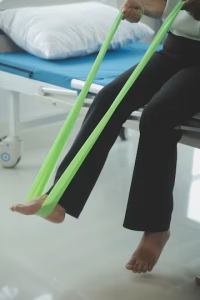
- Resistance Band Exercises: Sit on the floor with your legs extended. Loop a resistance band around the ball of your foot. Flex your foot against the resistance of the band. Hold for 5-10 seconds, then slowly release. Repeat 10-15 times.
- Calf Raises: Stand with your feet hip-width apart. Slowly rise onto your toes, then lower back down. Perform 3 sets of 15 repetitions.
3. Stretching Techniques
Stretching is essential for maintaining flexibility and reducing the risk of injury. Regular stretching can also help alleviate pain associated with conditions like plantar fasciitis.
- Achilles Tendon and Plantar Fascia Stretch: Loop a towel around the ball of your foot. Gently pull the towel towards your body, keeping your knee straight. Hold for 30 seconds. Repeat 3 times on each foot.
- Wall Push Stretch: Face a wall, and place your hands on it at shoulder height. Step one foot back, keeping it flat on the ground. Bend your front knee towards the wall until you feel a stretch in your back calf. Hold for 30 seconds, then switch legs. Repeat 3 times on each leg.
4. Manual Therapy
Manual therapy techniques performed by a physiotherapist can help improve joint mobility, reduce pain, and promote healing. These may include:
- Joint mobilization
- Soft tissue massage
- Myofascial release
These hands-on techniques can be particularly effective when combined with other physiotherapy methods.
5. Proprioception and Balance Training
Improving proprioception (awareness of body position) and balance is crucial for preventing future injuries and enhancing overall foot and ankle function.
- Single-Leg Balance: Stand on one leg for 30 seconds. Gradually increase the duration as your balance improves. For an added challenge, try closing your eyes or standing on an unstable surface.
- Wobble Board Exercises: Stand on a wobble board with both feet. Try to maintain balance for 30 seconds. Progress to single-leg balance as your stability improves.
6. Gait Training
For those experiencing difficulty walking due to foot or ankle pain, gait training can be beneficial. This involves analyzing and correcting your walking pattern to reduce pain and improve efficiency.
A physiotherapist may use techniques such as:
- Treadmill training
- Obstacle course navigation
- Proper footwear recommendations
7. Taping and Bracing
Taping and bracing techniques can provide support and stability to the foot and ankle, reducing pain and preventing further injury. These methods are particularly useful for athletes or those with chronic conditions.
- Kinesiology Taping: It can help support muscles and joints without restricting movement. It may improve circulation and reduce inflammation.
- Ankle Bracing: Provides additional support for unstable ankles. It can be beneficial during sports or activities that put stress on the ankle.
8. Plantar Fascia-Specific Exercises
For those dealing with plantar fasciitis, targeted exercises can help alleviate pain and promote healing.
- Plantar Fascia Stretch: Sit down and cross one foot over your knee. Grasp the base of your toes and pull them back towards your shin. Hold for 15-20 seconds. Repeat 3 times on each foot.
- Golf Ball Roll: Sit in a chair and place a golf ball under the arch of your foot. Roll the ball back and forth for 2 minutes. This helps massage and stretch the plantar fascia.
9. Cryotherapy and Heat Therapy
Alternating between cold and heat therapy can help reduce pain and inflammation in the foot and ankle.
- Ice Therapy: Apply an ice pack wrapped in a towel to the affected area for 15-20 minutes. Repeat 3-4 times daily, especially after exercise or periods of prolonged standing.
- Heat Therapy: Use a heating pad or warm compress for 15-20 minutes before stretching or exercising. This can help increase blood flow and relax tight muscles.
10. Electrotherapy
Electrotherapy techniques, such as Transcutaneous Electrical Nerve Stimulation (TENS) or ultrasound therapy, can be used to manage pain and promote healing in some foot and ankle conditions.
Implementing a Comprehensive Treatment Plan
While these physiotherapy techniques can be highly effective, it’s important to remember that a comprehensive treatment plan should be tailored to your specific condition and needs. A qualified physiotherapist can assess your situation and develop a personalized program that may include a combination of these techniques.
Tips for Success:
- Consistency is key: Regular practice of prescribed exercises and stretches is crucial for seeing improvement.
- Listen to your body: While some discomfort during exercise is normal, stop if you experience sharp or severe pain.
- Wear appropriate footwear: Proper shoes can provide support and help prevent further injury.
- Gradually increase intensity: As your strength and flexibility improve, slowly increase the difficulty of your exercises under the guidance of your physiotherapist.
- Address underlying causes: Work with your healthcare provider to identify and address any underlying conditions contributing to your foot and ankle pain.
When to Seek Professional Help
While many foot and ankle conditions can be managed with home care and physiotherapy techniques, it’s important to know when to seek professional help. Consult a healthcare provider or physiotherapist if:
- Pain persists or worsens despite home treatment
- You experience severe swelling or bruising
- You’re unable to bear weight on the affected foot or ankle
- You have signs of infection, such as fever or redness
- You have a pre-existing condition like diabetes that may complicate foot problems
Foot and ankle pain can be debilitating, but with the right physiotherapy techniques, most people can find relief and regain function. By incorporating a combination of stretching, strengthening exercises, manual therapy, and other targeted treatments, you can address the root causes of your pain and work towards long-term recovery.
Remember, every individual’s situation is unique, and what works for one person may not be ideal for another. Always consult with a qualified healthcare professional or physiotherapist before starting any new treatment regimen. With patience, consistency, and the right approach, you can overcome foot and ankle pain and return to the activities you love.