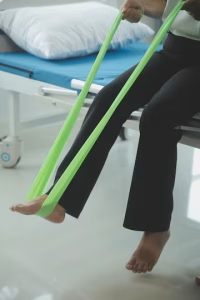
Low back pain exercises physiotherapy are essential for anyone looking to reduce discomfort and improve mobility. This blog post covers effective techniques and top exercises specifically designed to alleviate lower back pain while promoting overall wellness.
—
What is Low Back Pain?
Low back pain is a common problem. It can make you feel discomfort in the lower back. The pain can be mild or very severe. Many people of all ages deal with this issue, and it can affect how you go about your daily life.
Symptoms of Low Back Pain
The signs of low back pain can include:
- A dull or sharp ache in the lower back
- Stiffness in the muscles near the spine
- Pain that travels down one or both legs, often called sciatica
- Trouble standing up straight or moving easily
Low back pain can appear suddenly, which is called acute low back pain. This often happens after an injury. Sometimes, the pain develops slowly and lasts for a long time, leading to chronic low back pain.
Management Strategies
Managing low back discomfort usually includes several approaches like rest, physical therapy, medications, and changes in daily habits. For acute low back pain management, treatments may focus on quick relief through ice packs and over-the-counter medications. On the other hand, chronic low back pain solutions may involve long-term strategies such as special exercises to strengthen core muscles and improve flexibility.
Common Causes of Low Back Pain
Knowing what causes low back pain is key to finding effective treatments. Here are some common reasons:
- Herniated Disc: This happens when a disc between the vertebrae slips or ruptures, putting pressure on nearby nerves.
- Sacroiliac Joint Dysfunction: Problems in this joint can cause significant discomfort.
- Physical Inactivity: Not staying active weakens the muscles that support your spine.
- Muscle Strength Issues: Weak core muscles struggle to provide proper support during activities.
Musculoskeletal Health Factors
Good musculoskeletal health helps prevent injuries to the lower back. Regular exercise can strengthen supportive muscles and promote better spinal health.
Lifestyle and Ergonomic Influences
Adding ergonomic exercises to your daily routine can help lessen strain on your lower back during various activities. Simple things like sitting correctly at a desk or using proper lifting techniques are crucial for preventing injury.
Diagnosing Low Back Pain
Getting an accurate diagnosis is important for deciding on the right treatment for someone experiencing this condition.
Assessment Methods
Seeing a physiotherapist can provide valuable insights into your condition. They will guide you through evaluations that include learning about your specific symptoms and doing physical tests focused on your movement and strength.
Diagnostic Imaging and Tests
Sometimes more tests are needed if symptoms continue despite treatment. Healthcare providers might use imaging methods like X-rays or MRIs to check spinal health and spot any problems that could be causing your issues with your back’s function, allowing them to create better treatment plans for you!
How Physiotherapy Helps Low Back Pain
Physiotherapy is very helpful for low back pain relief. It uses several methods that fit each person’s needs. One of the main methods is physical therapy for back pain, which involves therapeutic exercises. These exercises are meant to strengthen muscles and improve flexibility. Rehabilitation exercises for back pain can reduce discomfort and prevent future injuries by promoting good posture and body mechanics.
Another effective technique is manual therapy. This hands-on method focuses on manipulating soft tissues and joints. It helps lessen pain, increase movement, and restore function. Combining manual therapy with specific exercise programs creates a full treatment plan that addresses both immediate symptoms and the root causes of low back discomfort.
In addition to these treatments, physiotherapists use various pain management strategies. These may include heat or cold therapy, ultrasound, or electrical stimulation. Each approach aims to lower pain levels while encouraging movement and recovery.
Physiotherapy Assessment and Treatment Plan
A detailed assessment is key for managing low back discomfort effectively. A qualified physiotherapist uses assessment techniques in physiotherapy to check a patient’s range of motion, strength, posture, and functional abilities. After this evaluation, they create personalized exercise programs tailored to the patient’s condition.
Patient education is also vital in the treatment plan. When patients understand their conditions better, they feel more empowered. Learning about proper lifting techniques or ergonomic adjustments can greatly improve recovery outcomes. By guiding patients through these educational aspects alongside their rehabilitation exercises for back pain, physiotherapists ensure that care focuses on long-term health benefits.
Movewell’s Approach to Low Back Pain Physiotherapy
At Movewell, we focus on individualized care for managing low back pain. Our exercise recommendations fit each patient’s unique situation—whether dealing with chronic low back pain solutions or challenges in acute low back pain management.
Our program includes spinal health practices that boost overall wellbeing while addressing specific lower-back issues. We emphasize strengthening core muscles that support the spine. Flexibility training from early recovery stages helps not only with symptom relief but also builds resilience against future discomfort episodes.
Effective Low Back Pain Exercises
Stretching Exercises
Stretching exercises for low back pain can really help. They improve flexibility and reduce discomfort. Gentle exercises stretch the muscles around your lower back. This helps relieve tension and supports healing. If you add these therapeutic exercises to your routine, you might find it easier to move around.
Hamstring Stretches
Hamstring stretches are great if you have a lower back injury. Tight hamstrings can pull on your pelvis, which adds strain to your lower back. To do this stretch, sit on the floor with one leg straight and bend forward toward that leg while keeping your spine straight. Hold it for 20-30 seconds, then switch legs. Doing this flexibility exercise regularly can really help ease tightness in your hamstrings and lower back.
Pelvic Tilts
Pelvic tilt exercises work well for building core stability and strengthening your abdominal muscles. To try a pelvic tilt, lie on your back with your knees bent and feet flat on the floor. Flatten your lower back against the floor by tightening your tummy muscles; hold for a moment before relaxing. This exercise supports spinal alignment and reduces pressure on sensitive parts of the lumbar area when done often.
Knee-to-Chest Stretch
The knee-to-chest stretch is a simple way to manage low back discomfort using gentle stretching techniques in a therapeutic exercise routine. Lie flat on your back, pull one knee toward your chest using both hands while keeping the other foot flat or extended on the floor. Hold this position for 20-30 seconds, then switch sides; repeat several times to help relax tense muscles.
Strengthening Exercises
Strengthening exercises for lower backs are key in recovering from injuries by building muscle strength around vulnerable areas that support proper posture.
Bird-Dog Exercise
The bird-dog exercise helps improve spinal stability by working several muscle groups at once—especially those involved in core stability routines. Start on all fours (hands under shoulders, knees under hips). Extend one arm forward while reaching the opposite leg backward without sagging or arching at any point; hold briefly before returning to start and alternate sides throughout each set. Doing this safely over time will help improve balance and coordination skills needed for daily activities!
Back Extensions
Back extensions are important in physical therapy as they target muscle development in areas that support healthy movements related to alleviating chronic pain from spine issues! Begin lying face down with arms at your side or crossed behind your head—slowly lift the upper body off the ground using only muscles along your backside until comfortable height is reached then return smoothly downward ensuring no jerky motions happen during this exercise!
Bridges
Bridges focus mainly on strengthening muscles in both glutes and lower back regions—key parts that help keep us active every day! Lying flat again with knees bent allows heels resting firmly beneath you; pressing up through heels works targeted muscles effectively leading to improved strength useful for various activities afterwards too!
Core Stability Exercises
Core stability exercises build strong support systems around lumbar regions, which helps improve control over movements performed there. They can also help manage stresses placed onto bodies daily reducing chances of future injuries.
Aerobic Exercises for Low Back Pain
Regular aerobic activity offers lots of benefits for overall fitness levels which helps boost health outcomes for those facing low-impact challenges linked directly to their backs! A variety of low-impact aerobic exercises should be included as an important part of any plan focused on promoting robust wellness as we age.
Creating a Personalized Exercise Plan
Choosing Exercises Based on Pain Type
When making a personalized exercise program for low back pain, it’s really important to think about the kind of pain you’re feeling. Different pain types need different approaches. If you’re dealing with acute low back pain, gentle exercises can help. Stretching or light walking can get you moving without putting too much strain on your back.
On the other hand, if you have chronic low back issues, you might want to focus on therapeutic exercises. Strengthening your core can help support your spine and keep future pain at bay. Home exercises for back pain should be suitable for your own ability and increase in difficulty as you get stronger.
It’s smart to talk with a healthcare professional or physiotherapist who can guide you on the right low back pain exercises based on your specific needs and medical history.
Exercise Progression and Modification
Exercise progression is key when managing back pain. Starting with low-impact aerobic activities like swimming or cycling can build your endurance while being easy on your spine. As you feel more comfortable, it’s time to learn proper lifting techniques. These skills will help you recover and avoid injury during everyday tasks.
Core stability exercises are very helpful in this stage. They strengthen the muscles around your spine, making them better equipped to support your body. It’s essential to modify activities gradually so that you don’t push yourself too hard too fast. Regularly checking how you’re doing allows for necessary adjustments in your routine, keeping you motivated as you work towards better fitness for back health.
Movewell’s Exercise Recommendations
At Movewell, we focus on effective physiotherapy techniques that target low back pain specifically. Our approach includes teaching patients about good posture, safe movement patterns, and self-care strategies along with physical therapy aimed at relieving discomfort.
Incorporating flexibility training along with strength exercises helps maintain balance in your fitness plan while addressing particular needs related to lower-back issues. Regular physical therapy sessions offer ongoing support from professionals who know each patient’s unique struggles and goals in their fitness journey.
By following Movewell’s recommendations, individuals not only gain immediate relief but also learn ways to build resilience against future bouts of discomfort related to their backs.
Preventing Future Low Back Pain
Importance of Proper Posture
Good posture is super important for keeping your spine healthy. It can really help in reducing low back pain. When you sit or stand correctly, you lessen the strain on your spine and muscles. This helps your body mechanics work better. Try to add some posture correction exercises to your daily routine. These exercises will strengthen your core muscles, which support your spine and help you stay upright, whether sitting or standing.
At home or work, pay attention to how you position yourself. When sitting at a desk, keep your feet flat on the ground and make sure your knees are level with your hips. Using ergonomic chairs can keep your body aligned, especially during long hours of work.
Ergonomic Practices at Work and Home
Using ergonomic practices at work and home is key in preventing low back pain. First, look at your workspace. Is your computer screen at eye level? If not, adjust it to avoid neck strain. Also, remember to lift things the right way: bend at your knees, not your waist.
Try adding some ergonomic exercises into your day too! Here are some simple tips:
- Take breaks every hour to stretch.
- Do light stretches to improve flexibility.
- Move around to boost blood flow.
These small actions can reduce physical inactivity from sitting too long.
Maintaining Physical Activity
Staying active is one of the best ways to keep low back pain away. Regular exercise helps build strength in the muscles that support your spine and boosts endurance overall. You can try aerobic activities like walking or swimming because they enhance cardiovascular fitness without stressing out your back too much.
A good exercise routine should mix strength training focused on core stability with flexibility workouts like yoga or Pilates. Keeping an active lifestyle doesn’t just improve physical health; it’s also great for mental well-being. So get moving!
When to Seek Professional Help
Warning Signs Requiring Immediate Attention
Low back pain can happen to anyone, and it might feel different for each person. But some signs mean you need help right away. If your pain is severe or lasts a long time, even with rest or over-the-counter medicines, it’s time to get checked. Here are some warning signs to look out for:
- Numbness or tingling in the legs could mean a nerve issue, like sciatica.
- Weakness in the legs makes standing or walking hard. This might signal serious issues like a herniated disc.
- Loss of bladder or bowel control is a big red flag. It can indicate cauda equina syndrome and needs urgent medical care.
- Pain after an injury, especially if there’s swelling or bruising, needs a professional’s eyes on it.
Spotting these low back pain symptoms early helps in managing acute low back pain effectively and may prevent further problems.
Contacting Movewell for Physiotherapy
If you notice any concerning symptoms with your low back pain, reach out to Movewell for physiotherapy. Our experienced physiotherapists focus on physical therapy for back pain and will provide care tailored to you.
When you come in, you’ll learn about managing your condition at home through patient education. Our physiotherapist will show you safe exercises designed to ease your pain while supporting recovery. Getting help early through expert guidance can lead to better outcomes.
Long-Term Low Back Pain Management
Living with chronic low back pain requires a solid plan. Long-term management includes doing rehabilitation exercises that strengthen core muscles and boost flexibility.
A therapeutic exercise regimen often mixes stretching and strength training that targets the lower back while promoting overall wellness. Joining structured wellness programs helps build healthier habits that lower the risk of future injuries.
Staying active daily supports mobility and helps manage discomfort over time. By tackling immediate concerns and ongoing issues with professional help from places like Movewell, individuals can find lasting relief from their low back challenges.
FAQs about Low Back Pain Exercises and Physiotherapy
What are effective physiotherapy techniques for low back pain?
Effective physiotherapy techniques include stretching, strengthening, and mobility exercises. These help alleviate pain and improve function.
How can mobility exercises benefit those with low back pain?
Mobility exercises enhance range of motion. They help maintain flexibility in the spine and surrounding muscles, reducing stiffness.
What role does aerobic activity play in managing low back pain?
Aerobic activity promotes cardiovascular health. Low-impact options like walking or swimming can support recovery without straining the back.
What are Williams flexion exercises?
Williams flexion exercises focus on flexing the spine. They strengthen abdominal muscles and help relieve pressure on the lower back.
What is the McKenzie method?
The McKenzie method emphasizes patient education. It teaches self-management strategies to improve posture and reduce pain.
How can proper lifting techniques prevent low back injuries?
Proper lifting techniques involve bending at the knees. This reduces strain on the back and helps prevent injury during heavy lifting.
Why is orthopedic rehabilitation important for low back pain recovery?
Orthopedic rehabilitation addresses musculoskeletal issues. It provides targeted therapy to restore function and reduce pain over time.
Additional Tips for Managing Low Back Pain
- Focus on musculoskeletal health: Regular check-ups can enhance overall wellness.
- Incorporate fitness for back health: Engage in activities that strengthen core muscles.
- Emphasize active recovery: Light movement helps maintain muscle engagement.
- Include therapeutic exercise regimens: A structured plan improves strength and flexibility.
- Practice functional movement patterns: Daily activities should support spinal alignment.
- Monitor your range of motion: Regular assessments can track improvement in mobility.
- Choose low-impact aerobic exercises: Activities like cycling are easier on your back.